
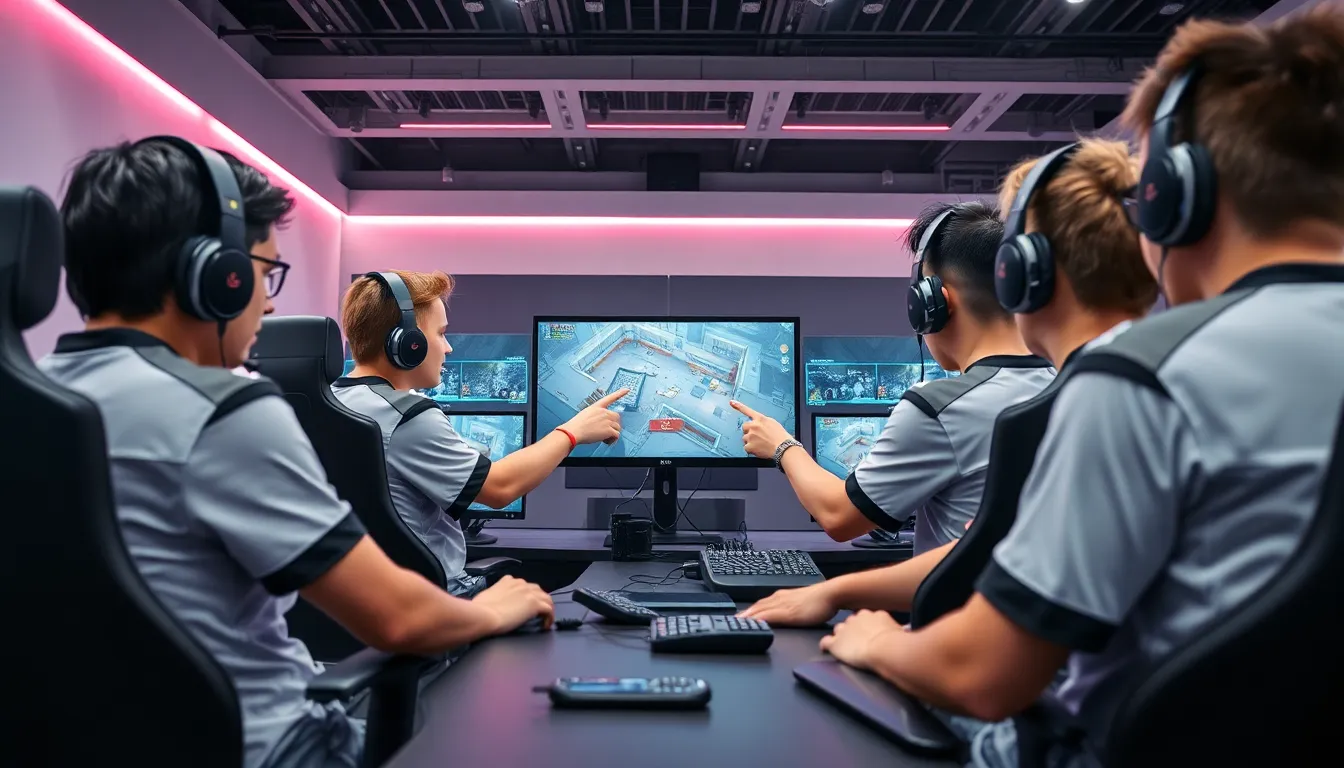
Learning how to Rainbow Six Siege can feel overwhelming at first. The game throws players into intense 5v5 matches where one wrong move means elimination. Unlike typical shooters, Rainbow Six Siege rewards patience, strategy, and teamwork over raw reflexes. Players must learn destructible environments, unique operator abilities, and map layouts to succeed. This guide breaks down everything new players need to know. From core mechanics to operator selection, these fundamentals will help anyone start their Siege journey on the right foot.
Table of Contents
ToggleKey Takeaways
- Rainbow Six Siege rewards patience, strategy, and teamwork over raw reflexes—master destruction mechanics and map layouts to gain an edge.
- Start with beginner-friendly operators like Sledge, Ash, or Thermite on attack and Rook, Jäger, or Mute on defense to learn core roles.
- Always drone before entering buildings; gathering intel on enemy positions prevents quick deaths and improves attack success.
- Sound design is critical—wear headphones to pinpoint enemy locations through walls and floors using audio cues.
- Focus on learning one or two maps at a time through custom games and Training Grounds to build essential map knowledge.
- Communicate with your team using room callouts and the ping system, as coordination consistently outperforms solo mechanical skill.
Understanding the Core Gameplay Mechanics
Rainbow Six Siege operates differently from most first-person shooters. The game features a single-life format where eliminated players cannot respawn during rounds. This design choice makes every decision matter.
Destruction System
The destruction system sets Rainbow Six Siege apart from competitors. Players can breach walls, create new sightlines, and open floors or ceilings. Attackers use this feature to create entry points. Defenders use reinforcements to block common breach locations. Understanding which surfaces are destructible takes time but changes how players approach each round.
Objective-Based Rounds
Every match in Rainbow Six Siege centers on objectives. Attackers must secure a hostage, defuse a bomb, or control an area. Defenders protect these objectives from the attacking team. Rounds last three minutes in most game modes. The timer creates pressure and forces action before time expires.
Preparation Phase
Each round begins with a 45-second preparation phase. Defenders set up reinforcements, place gadgets, and position themselves. Attackers deploy drones to scout enemy positions and locate objectives. This prep phase provides crucial information. Smart players use every second of this time effectively.
Sound Design
Sound plays a critical role in Rainbow Six Siege. Footsteps, reloading sounds, and gadget deployments all produce audio cues. Players who wear headphones gain a significant advantage. They can pinpoint enemy locations through walls and floors. Learning sound propagation improves performance dramatically.
Choosing Your First Operators
Rainbow Six Siege features over 60 unique operators. Each operator brings specific gadgets and weapons to matches. New players should start with simpler operators before trying complex ones.
Recommended Attackers for Beginners
Sledge offers straightforward gameplay. His hammer destroys soft walls and floors instantly. He carries reliable weapons and requires no advanced game knowledge. Players learn destruction basics while contributing to their team.
Ash suits players who prefer aggressive playstyles. Her breaching rounds destroy barricades and walls from a distance. She moves quickly and carries strong assault rifles. Ash helps new players learn entry tactics.
Thermite teaches players about hard breaching. His exothermic charges destroy reinforced walls. Teams need hard breachers to access bomb sites. Playing Thermite shows new players how important certain roles become.
Recommended Defenders for Beginners
Rook provides passive team value. He drops armor plates that teammates collect. Even if a player dies early, they’ve already helped the team. Rook’s simple ability lets beginners focus on gunfights and positioning.
Jäger protects teammates from grenades and other projectiles. His ADS devices work automatically after placement. New players place them during prep phase then focus on defending. He also carries one of the best defender weapons.
Mute jams electronic devices and drones. His signal disruptors deny intel to attackers. Placing jammers near reinforced walls also stops hard breaches. Mute teaches game sense without requiring mechanical skill.
Essential Tips for Attack and Defense
Success in Rainbow Six Siege requires different approaches for each side. Attackers and defenders face unique challenges that demand specific strategies.
Attack Strategies
Drone before entering any building. Information saves lives in Rainbow Six Siege. Players should identify enemy positions before committing to an entry point. Rushing inside without intel leads to quick deaths.
Work with teammates to execute coordinated pushes. One player can hold an angle while another enters a room. Trading kills maintains player advantage. Solo plays rarely succeed at higher skill levels.
Manage the clock wisely. Attackers have three minutes per round. Spending two minutes droning wastes time. But, rushing with 2:30 remaining often results in mistakes. Balance information gathering with decisive action.
Defense Strategies
Reinforce walls that protect the objective. Common reinforcement spots exist on every map. New players should watch teammates and copy their patterns. Over time, they’ll learn optimal setups.
Avoid spawn peeking as a beginner. Experienced players expect common peek spots. They pre-aim windows and kill defenders instantly. New players should hold safer angles inside buildings.
Stay alive. Dead defenders cannot contest the objective. Playing conservatively and trading time for eliminations wins rounds. Aggressive roaming requires map knowledge that beginners lack.
Universal Tips
Aim at head level. Rainbow Six Siege features one-shot headshot kills with most weapons. Pre-aiming head height increases the chance of landing critical shots. This habit takes practice but pays dividends.
Lean around corners. The lean mechanic lets players expose minimal body mass while peeking. Quick peeks reveal information without presenting easy targets. Master leaning early to build good habits.
Map Knowledge and Communication Basics
Map knowledge separates average players from skilled ones in Rainbow Six Siege. The game features numerous multi-floor maps with destructible surfaces and dozens of entry points.
Learning Maps Efficiently
Start with one or two maps. The ranked rotation includes specific maps each season. Focus on those first. Walk through maps in custom games without enemies. Note camera locations, common angles, and destructible surfaces.
Watch experienced players on YouTube or Twitch. Content creators explain why certain positions work. They demonstrate advanced strategies that tutorials skip. Observing high-level play accelerates learning.
Play terrorist hunt (now called Training Grounds) on specific maps. This mode lets players explore without competitive pressure. They learn room names and callout locations while practicing aim.
Callout Fundamentals
Every room in Rainbow Six Siege has a name. The compass displays the current room when players look around. Using these names helps teammates understand enemy positions.
Simple callouts beat complex ones. Saying “one enemy in kitchen” provides actionable information. Describing exactly what players see helps more than vague statements. Clear communication wins rounds.
Use the ping system when verbal callouts feel awkward. Yellow pings mark locations for teammates. Red pings indicate enemy positions. New players should ping frequently until callout terminology becomes natural.
Team Coordination
Rainbow Six Siege rewards coordinated teams. Players who communicate outperform mechanically skilled individuals who play silently. Even basic information sharing creates advantages.
Call out enemy positions when eliminated. Dead players still see the kill cam. They can report the enemy’s last known location. This intel helps surviving teammates.