
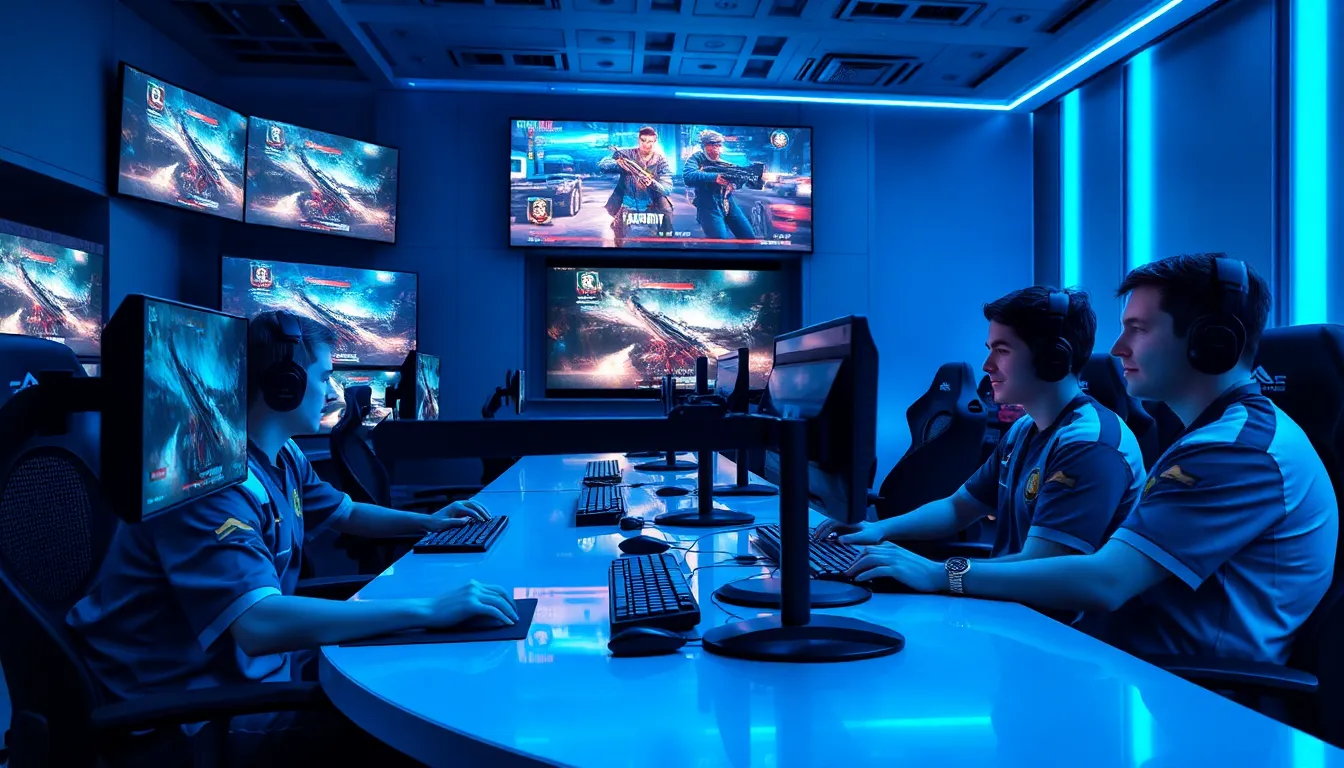
Rainbow Six Siege has become one of the most popular tactical shooters in competitive gaming. Ubisoft released this multiplayer game in December 2015, and it has grown into a global esports phenomenon with millions of active players. The game rewards strategy, communication, and quick thinking over raw reflexes alone.
This guide covers everything players need to know about Rainbow Six Siege. From basic gameplay mechanics to operator selection and map knowledge, readers will find practical information to improve their performance. Whether someone just downloaded the game or wants to sharpen their competitive edge, this article delivers clear, actionable insights.
Table of Contents
ToggleKey Takeaways
- Rainbow Six Siege is a 5v5 tactical shooter where strategy, communication, and map knowledge matter more than raw reflexes.
- The game’s destructible environments and one-life-per-round system create high-stakes gameplay that rewards careful positioning.
- Each operator brings unique gadgets to the team, so building a balanced composition with hard breachers, support, and flexible picks is essential.
- Mastering drone usage and audio cues gives players a significant advantage over opponents who neglect intel gathering.
- New players should focus on learning a few operators deeply before expanding their roster and always communicate callouts with teammates.
- Rainbow Six Siege has a steep learning curve, but reviewing mistakes and studying kill cams accelerates improvement.
What Is Rainbow Six Siege?
Rainbow Six Siege is a 5v5 tactical first-person shooter developed by Ubisoft Montreal. The game pits two teams against each other: attackers and defenders. Each round lasts about three minutes, and teams swap sides after several rounds.
Unlike traditional shooters where players respawn after death, Rainbow Six Siege uses a one-life-per-round system. This design creates high-stakes moments where every decision matters. A single mistake can cost the entire round.
The game features destructible environments as a core mechanic. Players can breach walls, destroy floors, and create new sightlines. This destruction system adds layers of strategy that set Rainbow Six Siege apart from other shooters. Defenders might reinforce walls to block entry points, while attackers use explosives to create unexpected angles.
Rainbow Six Siege launched with 20 operators and 10 maps. As of 2025, the roster has expanded to over 70 unique operators, with new content released each season. The game operates on a live-service model, receiving regular updates that keep the meta fresh and engaging.
Core Gameplay Mechanics
Rainbow Six Siege rewards careful play over aggressive rushing. The game’s core mechanics encourage teamwork and smart positioning.
Preparation Phase
Each round begins with a preparation phase lasting 45 seconds. Defenders use this time to set up reinforcements, deploy gadgets, and position themselves. Attackers control drones to scout the map, locate objectives, and identify which operators the enemy team selected.
Drone usage separates good players from great ones. Gathering intel before pushing into a building prevents costly deaths.
Gunplay and Movement
Rainbow Six Siege features realistic gunplay with low time-to-kill. Headshots deal instant death regardless of the weapon used. This makes precise aim essential, but positioning often matters more than raw mechanical skill.
Movement in Rainbow Six Siege includes leaning, crouching, and going prone. Players can peek around corners without exposing their full body. Sound plays a critical role, footsteps, gadget deployments, and even reloading give away positions to attentive enemies.
Communication
Team communication wins matches in Rainbow Six Siege. Callouts about enemy positions, coordinated pushes, and sharing drone information help teams dominate. Solo players can still succeed, but a five-stack with good comms has a significant advantage.
Operators and Team Composition
Operators define the Rainbow Six Siege experience. Each operator brings a unique gadget and role to the team.
Attacker Roles
Attackers fall into several categories. Hard breachers like Thermite and Hibana destroy reinforced walls to open new entry points. Soft breachers such as Sledge and Buck handle unreinforced surfaces. Support operators including Thatcher and Twitch disable defender gadgets to enable breaches.
Entry fraggers like Ash and Zofia lead pushes with speed and utility. Intel gatherers such as Drone and Zero provide valuable information about defender positions.
Defender Roles
Defenders protect objectives using various strategies. Anchor operators like Rook and Doc hold site with extra survivability. Roamers including Vigil and Caveira move around the map to waste attacker time and secure kills.
Trap operators such as Kapkan and Frost punish careless attackers. Intel denial specialists like Mute and Mozzie counter attacker drones.
Building a Balanced Team
A strong team composition in Rainbow Six Siege includes a hard breacher, a support operator, and flexible picks based on the map and site. Stacking five fraggers rarely works against coordinated opponents. Teams need utility to deal with defender setups, and defenders need a mix of anchors and roamers to cover all angles.
Maps and Game Modes
Map knowledge separates casual players from competitive ones in Rainbow Six Siege. Learning callouts, common angles, and rotation routes takes time but pays dividends.
Map Design
Rainbow Six Siege maps feature multiple floors with destructible surfaces throughout. Each map has several bombsites, and teams must adapt their strategy based on which site gets selected.
Popular competitive maps include Oregon, Clubhouse, and Kafe Dostoyevsky. These maps offer balanced attack and defense opportunities. The ranked map pool rotates each season, keeping gameplay fresh.
Primary Game Modes
Bomb serves as the primary competitive mode in Rainbow Six Siege. Defenders protect two bomb sites while attackers attempt to plant a defuser. This mode appears in ranked play and professional esports.
Secure Area tasks attackers with controlling a designated room while defenders hold it. Hostage requires attackers to extract a hostage from the objective. Both modes appear in casual playlists but see less competitive play.
Ranked and Casual Play
Rainbow Six Siege offers several playlist options. Quick Match provides casual games with relaxed rules. Ranked mode tracks player skill through a visible MMR system with ranks from Copper to Champion. Unranked mode uses competitive rules without affecting rank.
Tips for New Players
Starting Rainbow Six Siege can feel overwhelming. These tips help new players improve faster.
Learn a few operators first. Don’t try to master everyone immediately. Pick two or three attackers and defenders to learn deeply before expanding.
Use your drone. Many new players waste their drone in prep phase or forget it exists. Save it for mid-round intel gathering. A living drone provides more value than a dead one.
Play with sound. Rainbow Six Siege relies heavily on audio cues. Use headphones and listen for footsteps, barricade breaks, and gadget sounds. Sound information saves lives.
Watch kill cams. Instead of skipping death replays, study how enemies killed you. Learning common angles and positions helps avoid the same death twice.
Communicate. Even basic callouts like “enemy in kitchen” help teammates. Don’t stay silent, share what you know.
Accept the learning curve. Rainbow Six Siege has one of the steepest learning curves in competitive gaming. Losing happens. Every death teaches something if players pay attention. Progress comes from reviewing mistakes and adapting.